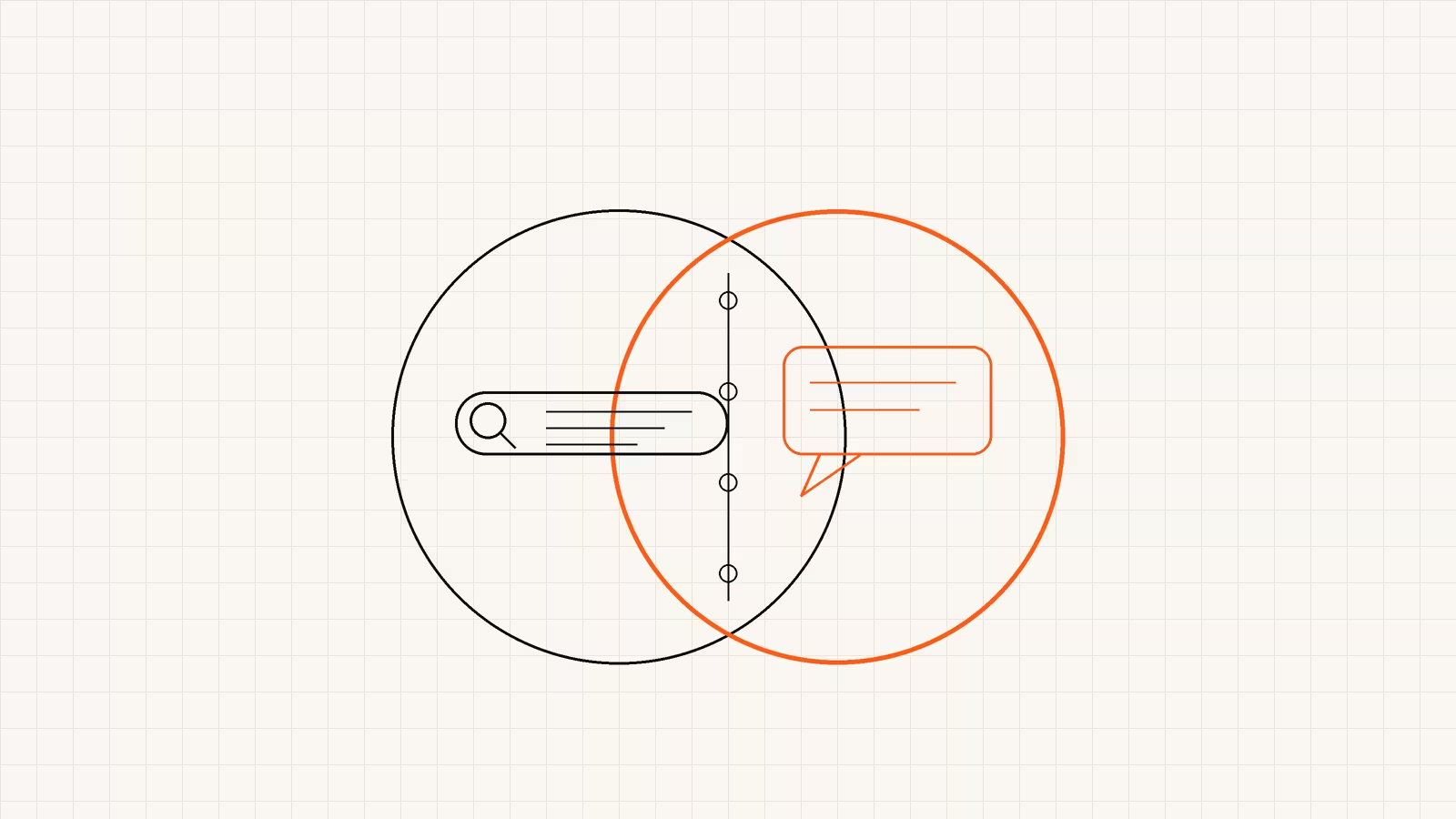
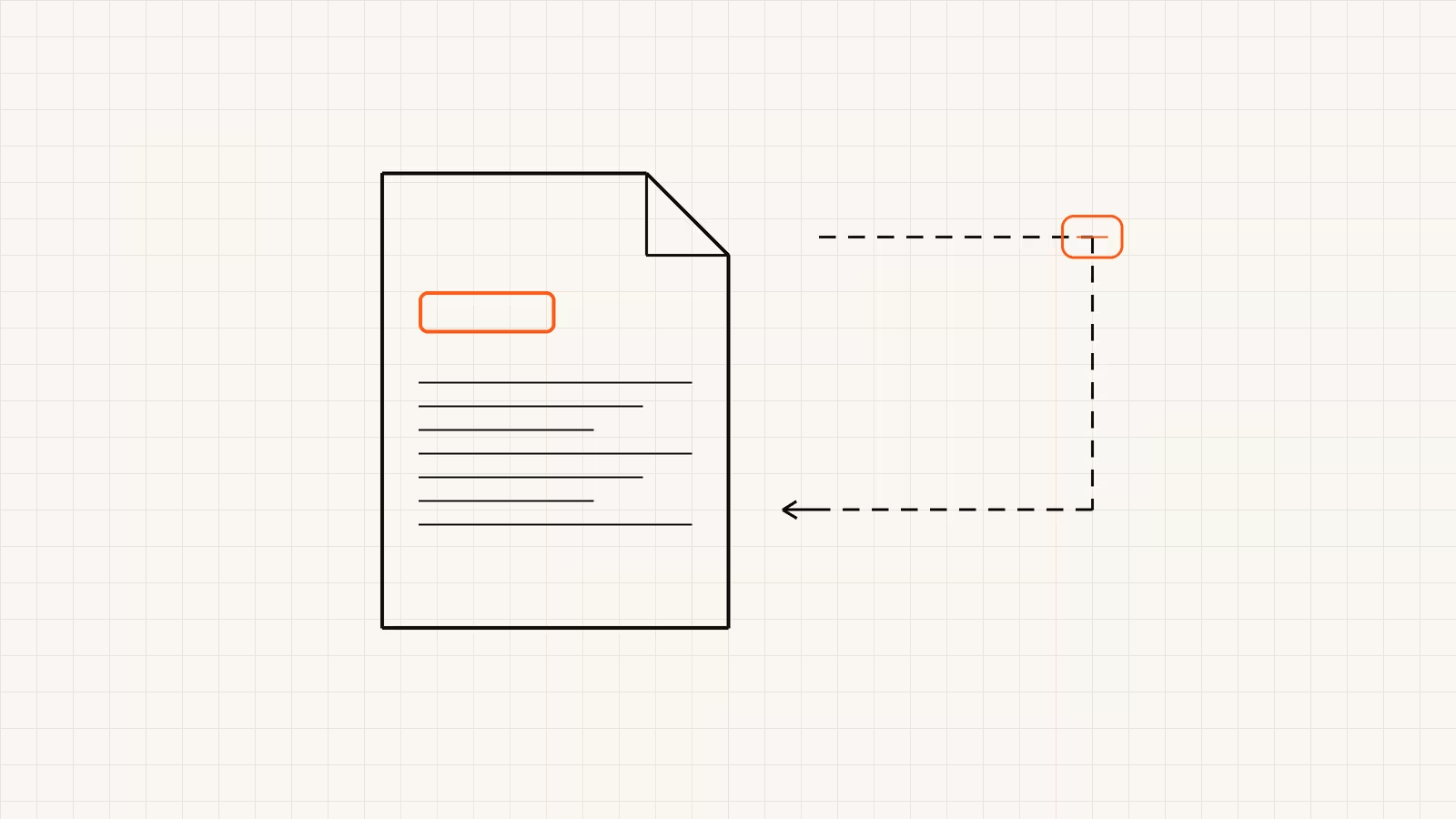


llms.txt is a proposed Markdown file, placed at the root of a website, that gives AI tools a short overview of the site and links to its best pages. Jeremy Howard proposed it on 3 September 2024. It is not an adopted standard, and Google says Google Search ignores it, so adding one neither helps nor harms your Google rankings.
Key takeaways
- llms.txt is a proposal by Jeremy Howard, published 3 September 2024. Only an H1 with the site name is required.
- Google's generative AI guide (page updated 10 July 2026) says Google Search itself does not use llms.txt files and ignores them. Publishing one will "neither harm nor help" your visibility in Google.
- The crawler pages of OpenAI, Anthropic and Perplexity document robots.txt rules and say nothing about reading llms.txt (checked 13 November 2026).
- One vendor tool is documented as checking for it: Chrome's Lighthouse has an optional llms.txt audit in its agentic browsing category.
- Fix crawling, indexing and page content first. An llms.txt file is cheap to add but does not improve rankings.
The llms.txt proposal
llms.txt is a plain-text file written in Markdown that sits at /llms.txt and describes a website for AI agents. The llmstxt.org proposal, by Jeremy Howard, was published on 3 September 2024 and last modified on 10 August 2026 (checked 13 November 2026). It calls itself "a proposal to standardise on using an /llms.txt file to provide information to help agents use a website".
The proposal's reasoning is that web pages are wrapped in navigation, ads and JavaScript, and that agents "are best served by concise, expert-level information gathered in a single, accessible location". The file holds brief background and links, agents are expected to view or search it and then follow the relevant links, and the file should stay small enough to fit in context.
The proposal lists these parts, in this order:
- An optional byte-order mark.
- An H1 with the name of the site or project. This is the only required part.
- A blockquote with a short summary.
- Any number of Markdown sections without headings, with more detail on how to read the file.
- Any number of sections introduced by an H2, each holding a list of links. Each list item has a required Markdown link and an optional note after a colon.
By convention, an H2 section named "Optional" holds secondary links an agent can skip when it needs a shorter context.
The file can sit at the site root or at any subpath, and then it covers the URLs under that path. Where more than one file applies, the proposal says agents should use the most specific one. It separately proposes that pages offer a clean Markdown copy at the same URL with .md added, which a site can skip.
The proposal says llms.txt files are used most heavily for software documentation, where coding agents follow them to API references and tutorials, and that the same structure can work for a business outlining its structure and policies. The page does not mention search rankings. Its author writes that the expectation was that the file would be useful mainly for inference (an agent answering a question on demand) rather than for training.
Google's position on llms.txt
Google says Google Search does not use llms.txt. Google's guide to optimizing for generative AI features (page last updated 10 July 2026, checked 13 November 2026) has a list of things you can ignore for Google Search, and the first entry reads:
"You don't need to create new machine readable files, AI text files, markup, or Markdown to appear in Google Search (including its generative AI capabilities), as Google Search itself doesn't use them."
The same section gives the position on publishing one anyway:
"It's completely fine if you decide to create and maintain LLMS.txt files (or other similar files) for other services or systems that use these files. Doing so will neither harm nor help your site's visibility or rankings in Google Search, as Google Search ignores them."
The guide's recap says you can ignore "creating unnecessary AI text files (like llms.txt)" for Google Search. Google's older page, AI features and your website (last updated 10 December 2025, checked 13 November 2026), makes the same point for AI Overviews and AI Mode: "You don't need to create new machine readable files, AI text files, or markup to appear in these features."
Google's statement covers Google Search only and does not say whether other products read the file. The GEO vs SEO article covers what Google documents about AI Overviews and AI Mode.
AI vendor crawler documentation
The crawler pages of OpenAI, Anthropic and Perplexity describe robots.txt rules. None of them lists llms.txt as something its crawlers or fetchers read, or as a way to be included in answers. This table records what each page documents as of 13 November 2026.
| Vendor | Page checked | What it documents | Mentions llms.txt as a signal for your site |
|---|---|---|---|
| OpenAI | Overview of OpenAI Crawlers | OAI-SearchBot (search), GPTBot (training), ChatGPT-User (user actions), OAI-AdsBot (ads); robots.txt controls and published IP ranges | No |
| Anthropic | Does Anthropic crawl data from the web | ClaudeBot (training), Claude-User (user requests), Claude-SearchBot (search quality); honors robots.txt | No |
| Perplexity | Perplexity crawlers | PerplexityBot (search results), Perplexity-User (user actions, generally ignores robots.txt); robots.txt tags | No |
"Not documented" is not the same as "not read". A vendor can use a file without describing it. No crawler reading llms.txt is documented on any of the three pages, so this article claims neither that they read it nor that they do not. Anthropic's page does document a different signal: as of 30 October 2026 it recognizes a machine-readable preference against AI training, based on an IETF aipref working group draft. The same vendors do publish llms.txt files for their own documentation. OpenAI's and Perplexity's docs pages point to a /llms.txt index at the top, and the proposal lists OpenAI, Anthropic and Gemini among the labs that publish one for developer docs. Publishing one for your own docs is a different thing from the vendor's crawler reading yours.
One reader is documented outside the search vendors. Chrome's Lighthouse has an llms.txt audit in its agentic browsing category (page last updated 5 May 2026, checked 13 November 2026). The page calls llms.txt "an emerging convention". The audit flags a server error when Lighthouse tries to fetch the file. If the site returns a 404, the audit is marked not applicable, because providing the file is optional "at the moment". Lighthouse is a developer tool, and the page does not link the audit to search results.
llms.txt vs robots.txt vs sitemap.xml
The three files do different jobs, and llms.txt replaces neither of the others. robots.txt tells crawlers what they may fetch, a sitemap lists the URLs a site wants search engines to know, and llms.txt describes the site in prose with a few curated links.
| robots.txt | sitemap.xml | llms.txt | |
|---|---|---|---|
| Purpose | Tells crawlers which paths they may or may not request | Lists URLs and details about pages for search engines | Gives an agent a short summary and a curated list of links |
| Format | Plain text rules, defined in RFC 9309 | XML, defined by the sitemaps.org protocol | Markdown, defined by the llmstxt.org proposal |
| Status | IETF Proposed Standard (RFC 9309, September 2022) | Published protocol | Community proposal |
| Can it block access | It asks crawlers not to fetch; RFC 9309 says its rules "are not a form of access authorization" | No | No. The format has no allow or disallow directive |
| Size | RFC 9309 says a crawler's parsing limit must be at least 500 KiB | Up to 50,000 URLs and 50MB uncompressed per file | The proposal says it should stay small enough to fit in context |
| Documented readers | OpenAI, Anthropic and Perplexity each describe robots.txt controls on the pages above | Search engines, per the protocol | Chrome Lighthouse (audit only) |
The proposal itself draws the same line. It says robots.txt and llms.txt "have different purposes": robots.txt sets what access is acceptable for automated tools such as search bots, while llms.txt is used on demand when an agent needs information about a topic while assisting a user. It says llms.txt can complement robots.txt, and that sitemap.xml is not a substitute for llms.txt, because a sitemap lists every indexable page, often without LLM-readable versions, while llms.txt is a curated overview small enough for a context window.
So llms.txt cannot keep your content out of AI training, because the format has no allow or disallow directive. For the crawlers that honor it, robots.txt is the documented control. OpenAI says robots.txt rules may not apply to ChatGPT-User, and Perplexity says Perplexity-User generally ignores them, because users trigger those fetches.
A real llms.txt example from wasevo.com
wasevo.com publishes an llms.txt at wasevo.com/llms.txt. It was fetched on 13 November 2026. The server returned HTTP 200 with the content type text/plain; charset=UTF-8. The excerpt below is copied from the file, with the long service, product, project and guide lists left out:
# Wasevo

> Wasevo is an SEO, software and AI-automation agency based in Kamalia, Punjab, Pakistan (US billing entity: Wasevo LLC, Denver, Colorado). It builds and runs websites, SaaS products, n8n/AI automations and managed hosting for teams worldwide, with published prices, written scopes and code owned by the client.

[...]

## Locations
- [Kamalia, Pakistan: delivery team office](https://wasevo.com/locations/kamalia-pakistan)
- [United States: Wasevo LLC, registered office in Denver](https://wasevo.com/locations/united-states)

[...]

## About and policies
- [About Wasevo and the team](https://wasevo.com/about-us)
- [Author: Waqas Ahmed Waseer](https://wasevo.com/blog/author/waqas-ahmed-waseer)
- [Editorial policy](https://wasevo.com/blog/editorial-policy)
The file has an H1, a blockquote summary and H2 sections of links, as the proposal describes. It also departs from the proposal in two ways. Its "Key facts" section is mostly facts rather than links, and its links point to normal HTML pages. A request for https://wasevo.com/services/seo.md returns a 404 (checked 13 November 2026), so the optional Markdown copy of at least that page is not published.
The same site's robots.txt, fetched on the same day, names the AI crawlers and Bingbot in one group. This is the start of that group:
User-agent: OAI-SearchBot
User-agent: ChatGPT-User
User-agent: GPTBot
User-agent: PerplexityBot
[...]
Allow: /
Disallow: /design-system
Disallow: /cdn-cgi/
Publishing both files shows what the site offers. It does not show that any crawler requests the llms.txt or that it affects any answer. No server logs were reviewed for this article, so it makes no claim about who reads the file on wasevo.com.
A minimal llms.txt for a service business
A service business needs few lines: a name, a two-sentence summary, and links to the pages a buyer or an agent would ask about first. The example below is an illustration for a made-up company. It was written from the format description in the proposal and was not run through a parser.
# Example Plumbing Co.

> Example Plumbing Co. is a plumbing company serving the Springfield area. It handles emergency repairs, boiler installation and yearly servicing for homes and small businesses.

Prices are quoted in writing before work starts. The service area is listed on the contact page.

## Services
- [Emergency repairs](https://example.com/services/emergency-repairs): What is covered, response times and how to book
- [Boiler installation](https://example.com/services/boiler-installation): Brands fitted, the survey step and the warranty terms
- [Yearly servicing](https://example.com/services/servicing): What a service visit includes

## Business details
- [Service area and opening hours](https://example.com/contact)
- [Pricing and quotes](https://example.com/pricing)

## Optional
- [Maintenance guides](https://example.com/blog): Short articles on common household plumbing problems
Keep each note to what the linked page actually says. Every claim in the file has to match the page it summarises, because a second copy of your facts is one more place for them to go out of date. That last point is an editorial judgement, not something the proposal states.
Upload the file to the site root so it loads at https://example.com/llms.txt. The proposal lists Mintlify, GitBook, Yoast SEO, AIOSEO and Wix as platforms that generate one automatically.
Cases where llms.txt is worth adding
Add llms.txt when you have a concrete reader for it, and skip it when the only reason is a hope of ranking. Google has said it does not use the file, so the case rests on other readers.
The file is worth the small upkeep in these cases:
- Documentation sites. The proposal says software documentation is where the file is used most, because coding agents follow it to API references and tutorials. If developers use AI coding tools with your docs, this is the strongest case.
- A platform generates it for you. If your CMS or docs host creates and updates the file automatically, the cost is close to zero.
- A tool you use checks for it. Chrome's Lighthouse reports on it as an optional agentic browsing audit.
- You want a clean summary for agents that do read it. Some agents may fetch the file. Which ones do is not documented by the vendors checked here, so treat this as a possibility.
It is not worth adding as a ranking tactic or instead of fixing pages a crawler cannot reach. A hand-maintained file can fall out of step with the site it describes, so if nobody owns it, generate it or leave it out.
First steps for AI visibility
Google's guidance is that generative AI search is still SEO, so the first jobs are the ones that decide whether any engine can find and use your pages.
- Make the pages crawlable and indexable. A page Google cannot index is not eligible for its AI features. The technical SEO before launch checklist covers crawl access, response codes, canonicals and internal links.
- Decide your robots.txt rules per operator. OpenAI and Anthropic publish separate tokens for search and for training, and Perplexity publishes one for search and one for user-triggered fetches. Write the decision down.
- Keep important content available as text. Google lists this among the fundamentals for its AI features. It also says content people find unique, compelling and useful will likely influence presence in generative AI search in the long run more than any other suggestion in its guide.
- Measure what each vendor lets you measure. Google offers a Generative AI performance report in Search Console. For other engines, check your server logs for their crawlers and keep a dated list of the questions buyers ask.
- Add llms.txt last, if a reader in the section above justifies it.
Your own server logs answer the question this article cannot: who requests your file. On a server that writes the common combined log format, this command counts requests to /llms.txt by user agent:
grep -E '"[A-Z]+ /llms.txt[ ?]' access.log | cut -d'"' -f6 | sort | uniq -c | sort -rnThis command was run against a five-line made-up sample log, which included a HEAD request with a query string, and printed a count per user agent. It was not run against any real site's logs, and log paths and formats vary by host.
Wasevo's SEO work implements fixes instead of only recommending them, and it does not sell guaranteed rankings. If you want the crawl, content and robots.txt work above done on your site, see AI SEO (GEO) and technical SEO. The GEO vs SEO article is the better first read if you are still deciding what to prioritise.
Frequently asked questions
No. Google's generative AI guide (updated 10 July 2026) says Google Search itself does not use llms.txt files and ignores them. It adds that publishing one for other services is fine and will neither harm nor help your visibility or rankings in Google Search. The statement covers Google Search, including its generative AI features, and says nothing about other products.

Written by
Founder & CEO of Wasevo. Builds SEO, software and AI automation for clients in the US, UK, Canada, Australia, Sweden and Pakistan since 2020. Writes about search, GEO, pricing and how to choose between tools and builds.